


Crisis of hydrodynamics under half-open state of gate valve
Addtime:2025-04-25 From: View:649
As a commonly used control valve in the pipeline system, the working state of the gate valve directly affects the flow characteristics of the fluid and the stability of the system. Gate valves in the fully open and fully closed state of the working characteristics of the more ideal, but when it is in the half-open state, the hydrodynamic phenomenon becomes particularly complex, may be on the valve and the whole system to cause a series of adverse effects. In this paper, we will discuss in depth the hydrodynamic phenomena when the gate valve is half-open, and analyze its potential impact on the valve and piping system.
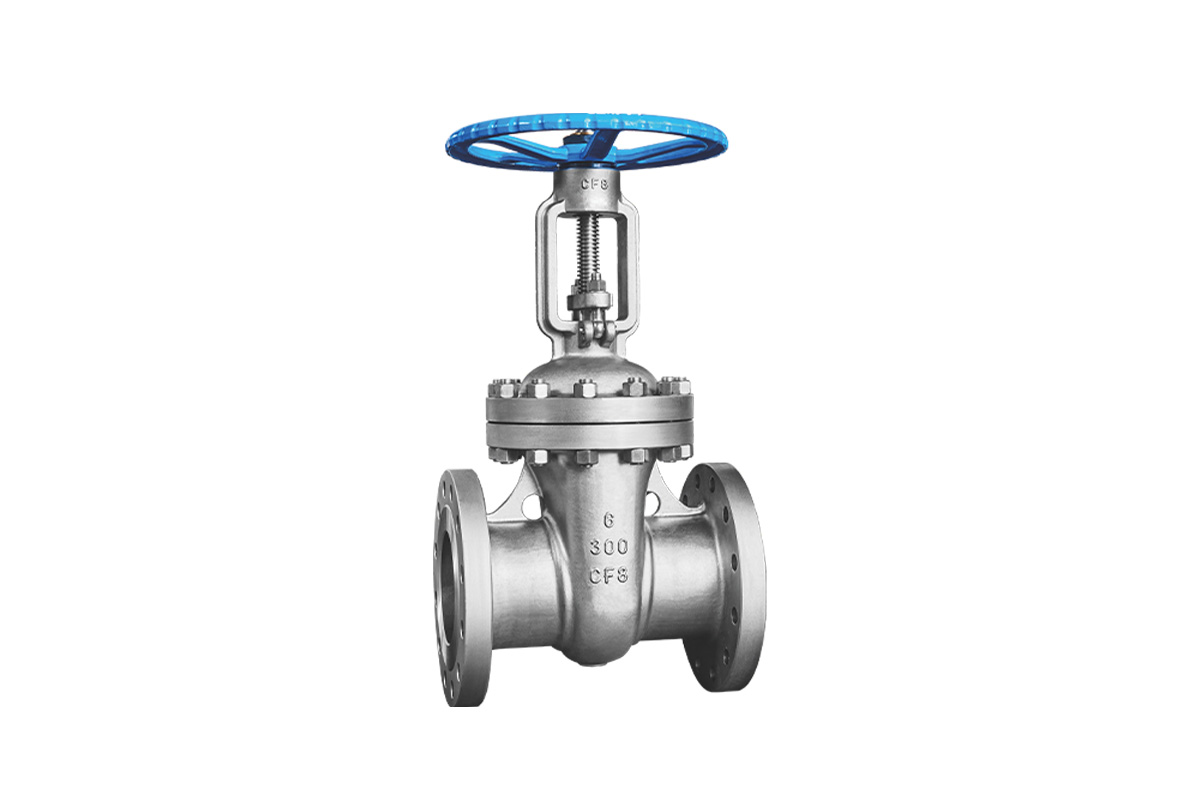
When the gate valve is half-open, the sharp increase in flow rate leads to a significant increase in dynamic pressure energy, and the fluid has a strong impact on the gate. Uneven fluid flow rate and pressure difference will also make the gate produce lateral force, causing vibration of the gate. Long-term vibration will make the gate connection parts loose, and even lead to gate fracture. In addition, solid particles in the fluid or impurities will also be in the high-speed flow impact on the surface of the gate, further accelerating its wear and erosion, which may ultimately lead to a decline in sealing performance.
2, the destruction of the valve seat sealing surface
Half-open state, the fluid constantly scouring the valve seat sealing surface, impurities in the fluid and particles in the sealing surface to leave scratches and abrasions, seriously affecting the sealing surface flatness and finish. Even if the gate valve is completely closed, because the sealing surface has been damaged, it is impossible to achieve a tight fit, which ultimately leads to fluid leakage. This may cause serious safety accidents and environmental pollution problems in industries that require high sealing, such as the chemical and petroleum industries.
Third, fluid control instability and pressure fluctuations
1, unstable flow regulation
Gate valve in the half-open state, the fluid flow channel is irregularly shaped, which makes it difficult to present a stable linear relationship between the flow and valve opening. Small changes in the opening degree may trigger large fluctuations in the flow rate, affecting the accuracy of flow regulation. For example, in chemical production, small deviations in the proportion of raw materials may lead to chemical reaction instability, affecting product quality, and even cause production accidents.
2、Pressure fluctuation problem
Fluid flow in the half-open gate valve, due to the narrow channel and vortex generation, the flow rate and flow direction will change frequently, thus triggering pressure fluctuations. Pressure fluctuations on the piping system should not be underestimated, it may lead to pipeline fatigue, cracks, and even trigger pipeline rupture or leakage. In addition, pressure fluctuations on precision equipment, such as pumps and instruments constitute a threat to the stable operation, shorten the service life of the equipment, increase maintenance costs.
Fourth, the advantages of fully open and fully closed gate valve
1、Protect the gate valve, prolong the life
Compared with the half-open state, fully open state of the gate valve fluid channel is unobstructed, fluid flow is smooth, the gate and the valve seat are not subject to strong impact and wear. At this time, the sealing surface of the valve is not easy to be damaged, thus effectively extending the service life and reducing the risk of leakage due to the decline in sealing performance.
2、Stabilize fluid transportation
In the fully open state, the gate valve provides a stable flow channel for the fluid, avoiding problems caused by eddy currents and changes in flow rate, thus ensuring the stability and reliability of fluid delivery. This is critical for industries that require stable flow and pressure, such as petrochemical and natural gas transportation.
Gate valves in the half-open state, due to the complexity of hydrodynamic phenomena, can cause a series of adverse effects, such as unstable flow regulation, vortex generation, wear and tear of valve components, sealing surface damage, and so on. These problems not only lead to a decline in valve performance, but also may pose a threat to the stability and safety of the entire piping system. Therefore, it is important to avoid placing the gate valve in half-open state for a long time as far as possible to ensure the safe and stable operation of the pipeline system.